Healthcare Marketing
What is healthcare marketing? A complete guide for clinics in 2026
Healthcare marketing is how clinics and medical practices attract, convert and keep patients. This guide explains what it includes, why it is different from other marketing, which channels work, the rules you must follow, and how to measure results.

What is healthcare marketing?
Healthcare marketing is the strategy and activity a clinic, hospital or medical practice uses to attract new patients, turn enquiries into booked appointments and keep patients coming back, while following health privacy and advertising rules. It covers everything from the first search a patient makes to the reminder that gets them to their appointment.
Key points
- Healthcare marketing is about the full patient journey, not just ads.
- Privacy laws (HIPAA, GDPR) and platform policies shape what you can do.
- The best measure is cost per booked appointment, not clicks.
Why healthcare marketing is different
Selling a pair of shoes and helping someone choose a dentist are very different decisions. Healthcare marketing has four things most industries do not:
- Trust comes first. Patients choose providers they believe are competent and safe. Reviews, credentials and clear information matter more than discounts.
- Privacy law applies. In the US, HIPAA restricts how protected health information can be used and shared, including by website tracking. In Europe, health data is special category data under the GDPR.
- Advertising is restricted. Google and Meta have healthcare and medicines policies, and many countries have their own rules, such as the UK CAP Code and Germany's Heilmittelwerbegesetz.
- The journey continues after the click. A lead is not a patient until they book and show up, so follow-up and reminders are part of marketing.
The healthcare marketing funnel
| Stage | What the patient does | What helps |
|---|---|---|
| Awareness | Notices a symptom or a need | Educational content, social ads, video |
| Research | Searches, compares providers, reads reviews | Google ads, SEO, reviews, clear service pages |
| Enquiry | Fills a form, calls or messages | Landing pages, booking links, fast replies |
| Booking | Chooses a time | Online booking, follow-up automation |
| Attendance | Shows up | Reminders, confirmations, easy rescheduling |
| Retention | Returns and refers others | Recall messages, review requests |
Healthcare marketing channels that work
1. Search: Google ads and SEO
Patients with an urgent need search. Google ads put you at the top for high-intent searches like "pain clinic near me". SEO builds free, long-term visibility through helpful service pages and articles.
2. Paid social: Meta and YouTube
Facebook, Instagram and YouTube reach people before they search, which works well for elective care such as aesthetics, dental and weight loss programs. Ads must follow each platform's health policies.
3. Website and landing pages
Every campaign should lead to a page built for one action: booking an appointment. Clear pricing or next steps, trust signals and a simple form lift booking rates.
4. Reviews and reputation
Online reviews influence which provider patients choose. Ask happy patients for reviews and respond professionally, without revealing health details.
5. Email, SMS and follow-up automation
Fast replies, reminders and recall messages turn more enquiries into attended visits. Read our guide to healthcare marketing automation.
6. Educational content
Accurate articles and videos answer patient questions and build trust with both patients and search engines. They also help AI assistants cite your practice.
Rules healthcare marketers must follow
- HIPAA (US): do not send patient health information to ad platforms; use Business Associate Agreements with vendors that handle PHI. See HIPAA and tracking pixels.
- FTC (US): health claims must be truthful and backed by competent and reliable scientific evidence.
- GDPR and UK GDPR (Europe): lawful basis, consent for marketing cookies, Data Processing Agreements.
- Platform policies: Google's healthcare and medicines policy and Meta's restrictions on health-related targeting and claims.
How to measure healthcare marketing
Clicks and leads are not the goal. These four numbers tell you whether marketing is working:
- Cost per booked appointment: ad spend divided by booked appointments.
- Booking rate: the share of enquiries that book.
- Show rate: the share of bookings that attend.
- Patient value: average revenue per new patient over time.
For example, one of our clients, a pain management practice, cut cost per booking from $532 to $63 in 6 weeks. See the MVM Health case study.
Healthcare marketing vs medical marketing vs healthcare advertising
These terms are often used interchangeably, but they are not quite the same:
- Healthcare marketing is the broadest term: strategy, advertising, website, reputation, follow-up and retention for any healthcare provider.
- Medical marketing or medical practice marketing usually refers to the same work for physician-led practices and clinics.
- Healthcare advertising is one part of marketing: the paid ads on Google, Meta, YouTube and other channels.
Healthcare marketing examples by specialty
The basics are the same everywhere, but each specialty has its own patient behaviour and rules:
- Medical aesthetics and med spas: elective, visual and competitive, with strict rules on before-and-after imagery. See med spa marketing.
- Pain management: patients compare several providers, so fast replies and trustworthy landing pages matter. See pain management marketing.
- Dental: a mix of routine, cosmetic and emergency care, where cost per new patient is the key number. See dental marketing.
- Medical weight loss: one of the most restricted ad categories, especially for prescription programs. See medical weight loss marketing.
Common healthcare marketing mistakes
- Optimising for the wrong event. Telling ad platforms to find form fills or deposits instead of real bookings.
- Slow follow-up. Paying for leads, then calling them back the next day.
- Switching tracking off completely out of privacy fear, instead of setting it up safely server-side.
- Sending every ad to the homepage instead of a page built for one action.
- Making claims the rules do not allow, such as guaranteed outcomes.
- Measuring leads, not patients. A lead is only valuable if it books and shows up.
How to choose a healthcare marketing agency
- Do they work only, or mainly, with healthcare?
- Can they show real case studies with numbers?
- Do they explain how they handle HIPAA and GDPR, and will they sign a BAA or DPA?
- Do they report on bookings and show-ups, not just leads?
- Do you keep ownership of your ad accounts and data?
- Is pricing clear? Read how much healthcare marketing costs.
Summary
Healthcare marketing is the system that turns people with a health need into patients who book, attend and return, within the rules that protect patient privacy. Start with clear service pages, fast follow-up and good tracking, then scale with paid ads.
GritSol Health builds that system for clinics: patient acquisition, AI follow-up automation and CRM.
Frequently asked questions
What is healthcare marketing?
Healthcare marketing is the strategy and activity a clinic, hospital or medical practice uses to attract new patients, turn enquiries into booked appointments and keep patients coming back, while following health privacy and advertising rules.
Why is healthcare marketing different from other marketing?
It deals with sensitive health decisions, strict privacy laws such as HIPAA and GDPR, and tighter advertising policies on Google and Meta. Trust and accuracy matter more than clever slogans.
What are the main healthcare marketing channels?
Search (Google ads and SEO), paid social (Meta and YouTube), a website and landing pages, online reviews, email and SMS follow-up, and educational content.
How do you measure healthcare marketing?
Track cost per booked appointment, booking rate, show rate and patient value, not just clicks or leads.
Do small practices need a healthcare marketing agency?
Not always. Small practices can start with a good website, a Google Business Profile and fast follow-up. An agency helps when you want to scale paid ads, automation and tracking without hiring a team.
Is healthcare marketing regulated?
Yes. In the US, HIPAA limits how patient data can be shared and the FTC requires truthful health claims. In Europe, GDPR treats health data as special category data. Ad platforms add their own healthcare policies.
Sources
See where your practice is losing patients
Our free 30-minute growth audit reviews your ads, tracking, landing pages, follow-up and compliance, and shows you what to fix first. No obligation.
Get Your Free Growth AuditRelated articles
 Healthcare Marketing
How much does healthcare marketing cost in 2026?
Agency fees, ad spend, tools and pricing models explained, with a simple formula for setting your budget.
 Healthcare Marketing
HIPAA and tracking pixels: what clinics can and cannot track in 2026
What HHS, the courts and the FTC say about pixels on healthcare websites, and a safe tracking setup for clinics.
 Healthcare Marketing
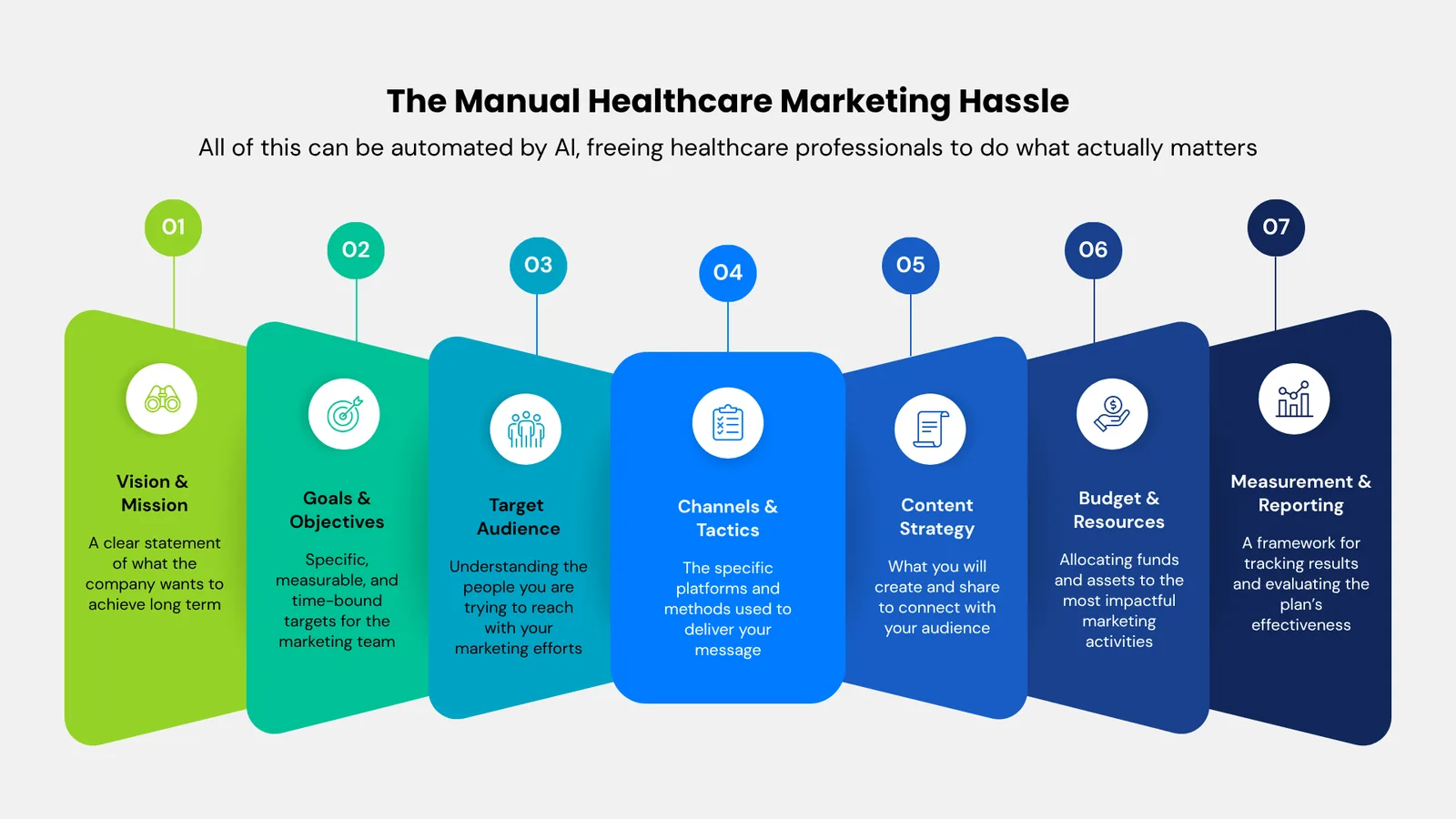
Healthcare marketing automation in 2026: why most clinics are still manual, and how to fix it
Why clinics still run patient acquisition by hand, what to automate first, and how to stay HIPAA and GDPR compliant.